 English
 Español
 Italiano


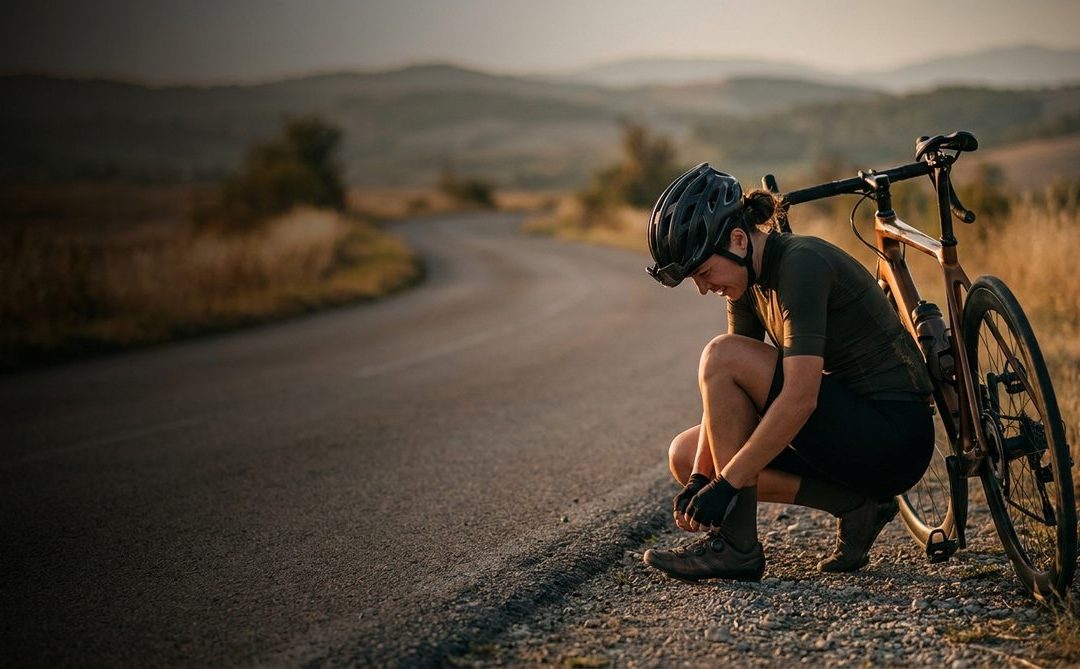
You’ve seen it on every group ride. Deep into the Saturday loop, with the pace settled and the chatter gone quiet, the friend on the wheel ahead peels a hand off the hood, drops it to their hip and flaps it hard, like they’re shaking water off their fingers. A few pedal strokes later it goes back to the bar, and soon the other hand gets the same treatment. Maybe you’ve caught yourself doing it too: flexing stiff, prickling fingers at a red light, squeezing a fist against the pins and needles, and telling yourself it’s just what long rides do to hands.
It’s not. Numb hands while cycling are a sign of nerve compression, and the nerves are compressed because your hands are carrying more of your body weight than they should. It shouldn’t be a normal part of riding, and it’s a sign that something on the bike is wrong. Padded gloves are usually the first thing people buy. A fitter checks them last.
Why Do Cyclists Experience Numb Hands?
The physiology is simple: too much pressure on the hands for too long compresses the nerves that run through the palm and wrist. Numbness is the obvious symptom, but it isn’t the only one. It can also be tingling, pain, wrists that ache after the ride, or a loss of fine control that makes it harder to hold the bar, pull the brake levers and work the shifters.
Where the pressure lands is a useful clue. A common target is the ulnar pad (the heel of the hand on the little finger side, just above the wrist). Ride without gloves for a stretch and the evidence is often written on that pad as a large red area by the end of the ride.
The reason to take it seriously is what happens when it is left alone. Riding for long periods with numb hands can lead to lasting nerve damage (neuropathy), and it has happened to plenty of cyclists who stacked up very long one-day rides or consecutive big days while ignoring the warning.
In short: numb hands on the bike are nerve compression caused by the hands bearing too much weight, and the fix is to find out why they are bearing it.
What Does a Bike Fitter Check to Fix Numb Hands?
Four things, in sequential order, because the hands are usually compensating for something happening elsewhere:
- Weight distribution: whether the saddle lets your pelvis and legs support your upper body weight.
- Handlebar reach and height, which can be wrong in either direction: too short or too long, and too low or too high.
- Bar and hood rotation, and how you hold the bar.
- Bar tape and gloves.
Weight Distribution: Is Your Saddle Carrying You?

The first check is the most important: overall weight distribution from front to back. The weight of the upper body should predominantly be supported through the saddle, legs and feet into the pedals, not propped up by the hands, arms and shoulders. Sit too far back on the bike and numb hands are very unlikely, but pedaling efficiency will suffer. Sit too far forward and numb hands are close to certain.
Until your center of mass is balanced over the bike in the fore-aft direction, nothing else you try will fix numb hands. A new stem, rotated hoods and fresh bar tape on a bike that tips you forward are rearranging deck chairs.
There’s a quick test you can do yourself, and it works the same on a road, gravel or mountain bike. Get into your normal riding posture with your hands on the bars. Now brace with your legs and core and try to lift your hands off. If you can’t support your upper body without your hands, the saddle is either too far forward or tilted nose down, or both.
How the failure feels tells you which one it is:
- A slide down the saddle. You’re slipping forward off the nose. This usually points to saddle angle, and bringing the saddle closer to level is the first thing to try.
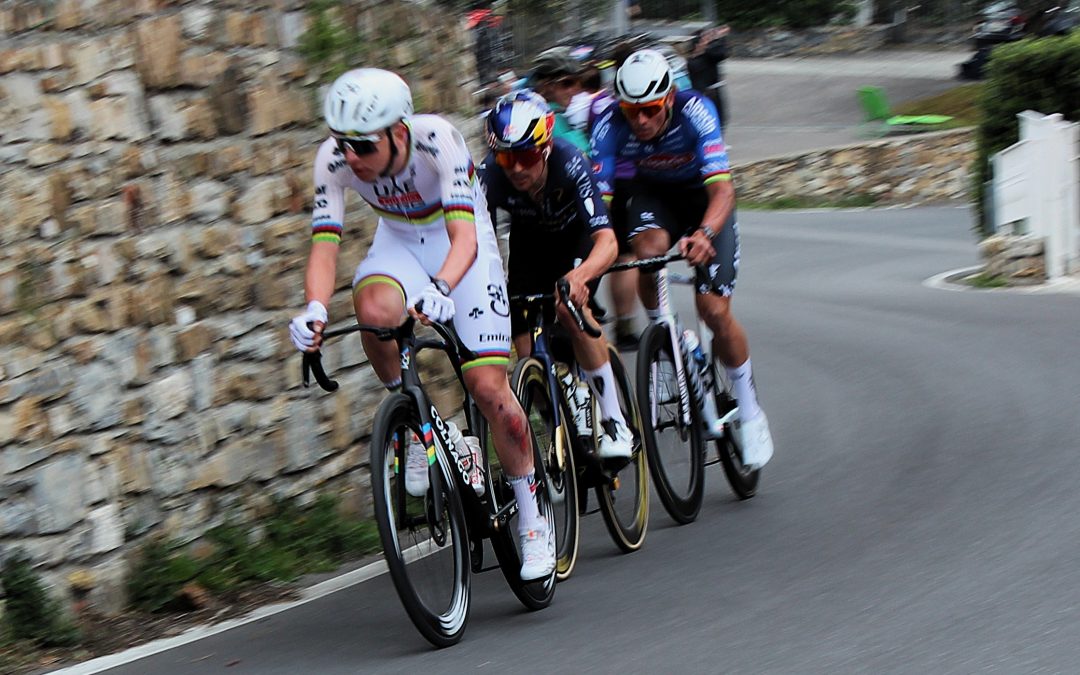
- A topple forward. You feel like you’re tipping off the front of the bike. This points to fore-aft position, and the saddle needs to move back. If the rails have no room left and the bike has a zero offset seatpost, that may mean you would benefit from a seatpost with more setback, to move the saddle further back. This may fly in the face of the current trend for “progressive geometry” on both road and mountain bikes. If you can generate pro-level power, then the force generation from pedaling can help counter a weight-forward position, and you can bias toward a more aggressive and aero position. But if the result is numb hands, then it’s not sustainable.
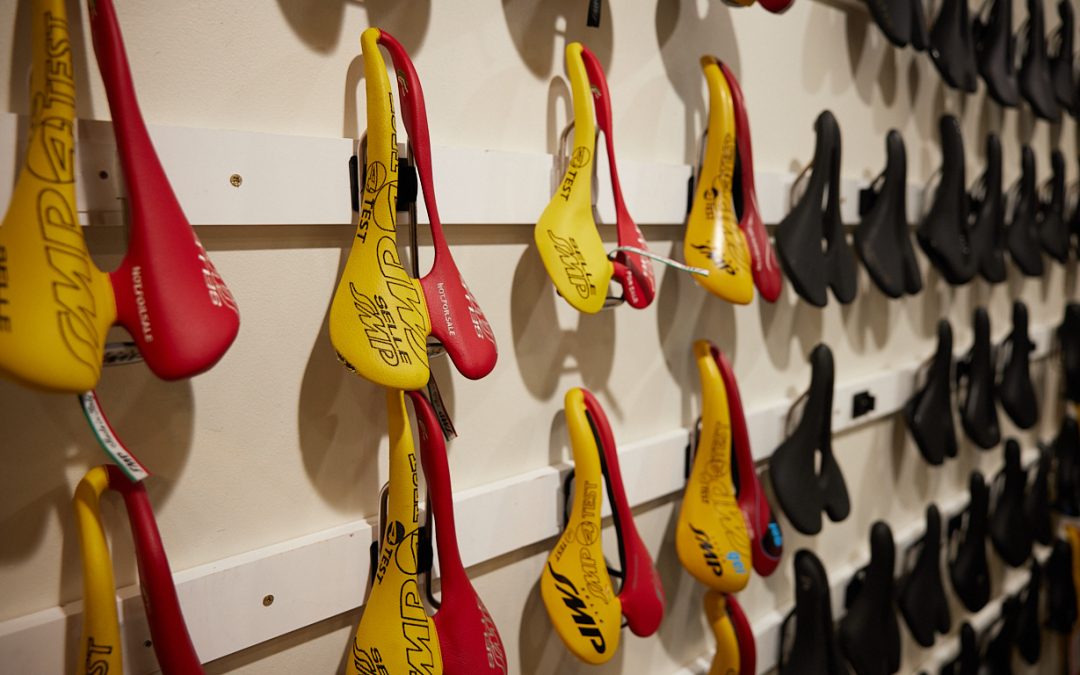
Saddle angle is worth measuring rather than eyeballing, because a saddle that looks level on the workstand can still be nose down. A saddle tilt tool gives you an actual number to set and to return to after the next change. Our longer article on bike posture as a fit driver covers why your center of mass should balance over the bike in the first place.
Handlebar Reach and Height: Can the Bar Be Too Close?
Yes, and this is the problem most advice about numb hands leaves out. Once weight distribution is sorted, the second check is handlebar reach and handlebar height (the stack, or saddle to bar drop). Each can be wrong in two directions.
The common one is a bar too far away. You are pulled forward out of balance and end up bracing back off the bars to stay on the saddle. The usual fix is a shorter stem, and sometimes a handlebar with less reach. Our guide on how to choose a road bike handlebar points out that swapping an 80mm reach bar for a 70mm one does much the same job as going down a stem size.
The less obvious one is a bar too close. If you want to hinge forward at the hips and stretch out over the bike but the bars are in the way, you are blocked. The body’s response is to push the bars away, subconsciously, for the entire ride, and that pushing drives a lot of pressure into the hands. The fix runs the opposite direction: a longer stem that gives the torso room to hinge and extend. (Modern mountain bikes are equipped with short stems, and we’re not averse to fitting a 60 or even 70mm stem to a bike that came with a 40 or 50mm stem.)
Handlebar height works the same way in the vertical plane. A bar too low leaves you toppling forward and bracing against the bars to stay upright. A bar too high keeps you out of a good athletic position, and you are trying to push the bars away again. None of this is a decision anyone makes. It’s the body doing its best with the space the bike gives it, and the symptom is the same nerve compression. A saddle to handlebar drop tool turns “the bars feel low” into a measurement you can change by a known amount.
Understanding your body proportions can help identify the issue. Those with a shorter torso and long legs often need a higher, closer bar. Conversely, those with shorter legs and a long torso often need both: more saddle setback and possibly a longer stem. Short arms? Raise the bars. Long arms? Lower the bars. Your arms need space to hang out between your shoulders and the bars. Too much space or not enough space and your hands pay the price. So too might other regions of the body.
Bar Rotation, Hood Position and How You Hold the Bar

If the first two checks are right and the hands still go numb, the problem usually trickles down to ergonomics: how the bar is rotated and where the hoods sit on it. We set bar rotation for hand comfort in the drops first, then set the hoods for comfort on the hoods, and the hoods get two separate adjustments: where they sit around the curve of the bar, and how far they rotate inboard.
Hoods that point dead straight ahead tend to put more load on the heel of the hand. Rotating them inward a little often moves pressure off the ulnar pad and into the center of the hand and the web between the thumb and first finger, which is where you want it. The same heel-of-hand pressure can come from a bar that is too wide, because the wrists turn in to narrow the gap between the arms.
Then there is technique, which rarely gets taught. Some riders don’t know how to hold a handlebar. They put their hands on top of the bar and press straight down with the heel of the hand, and the rest of the body slumps onto it. Two things help. Keep the spine long, with a little core engagement to support the trunk. Then bring the hands onto the bar from slightly to the side rather than straight down on top, clasping it rather than leaning on it. Not so far off to the side that you feel you are slipping off.
Mountain bikes deserve a separate note. On a flat bar, the rise and sweep of the bar decide the angle at which the grip meets the hand, and that angle is a significant factor. Grip size matters too, particularly with smaller hands: a grip too large in diameter, or too soft and cushy, can be part of the problem. Our article on how to fit a mountain bike covers grips in detail, including why the shape of a grip can matter more than its padding.
Bar Tape and Gloves: Will Padded Gloves Stop the Numbness?
Sometimes, but they are the fourth check, not the first, and worth looking at only once the other three are sorted. Before that, they mostly change how the problem feels rather than whether it exists.
That’s not an argument against gloves. We’re firm believers in wearing them as basic protective gear, even though riding without them is somewhat on trend. Anyone who skips gloves has probably never hit the pavement or the gravel and stuck a hand out to break the fall. It only takes one of those incidents to change your mind (and your glove policy). Mine was at the age of 10. The point is that the glove has to fit and has to be the right kind:
- Not too loose, where the material creases and bunches under the palm.
- Not too tight, where it constricts blood flow or presses directly on the nerve.
- Not too much padding. On a road bike a little padding is common, but the chunky gel pads that look comfortable are more often part of the problem than the solution.
- On a flat bar or mountain bike, very little padding at all. The cushioning there comes from tire volume and suspension, so a thin glove is the better choice.
Bar tape sits on the same level as gloves: worth a look once the position is sound, and no substitute for it. Bar tape serves to enhance grip and reduce micro-vibrations, not cure numb hands.
What If Your Hands Still Go Numb?
Numb hands are often multifactorial, meaning the fix may not be one change but several, and it takes some testing and a little trial and error to find the combination. Work down the levels in order and give each change a proper ride before judging it. The good news is that it’s almost always resolvable. Where it does persist, it is usually because nerve damage has already set in, leaving ongoing tingling or reduced motor control. Numbness that continues off the bike, or that arrives with weakness in the hand, is a conversation for a doctor as well as a fitter. Electronic shifting is a boon for riders with neuropathy and reduced sensation and motor control. There are no electronic brakes yet, but it’s only a matter of time.
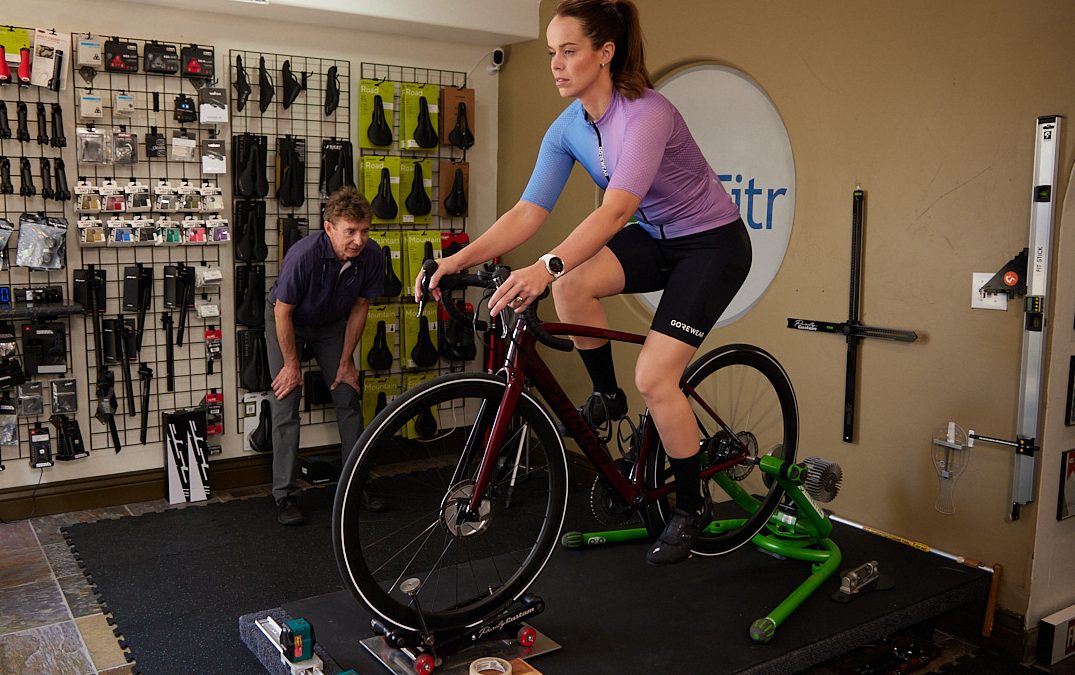
If you have worked through the list and still cannot find it, a professional bike fit is the next step. It’s the same diagnosis in the same order, with someone watching you ride. The pattern is familiar from why feet go numb on the bike: a nerve, a contact point, and a load that never lets up.
The Bottom Line
Numb hands are the body reporting that the hands are doing a job the saddle and legs should be doing. Fix it from the back of the bike forward: weight distribution first, then handlebar reach and height in both directions, then bar and hood rotation and how you hold the bar, and only then bar tape and gloves. Wear the gloves anyway. Just don’t expect them to fix a saddle that is tipping you onto the bars.
Numb hands should not be part of the riding experience. Too many people suffer from it, and they don’t need to. Get it taken care of.
John Higgins, Owner of Fit Kit Systems and BikeFitr





0 Comments